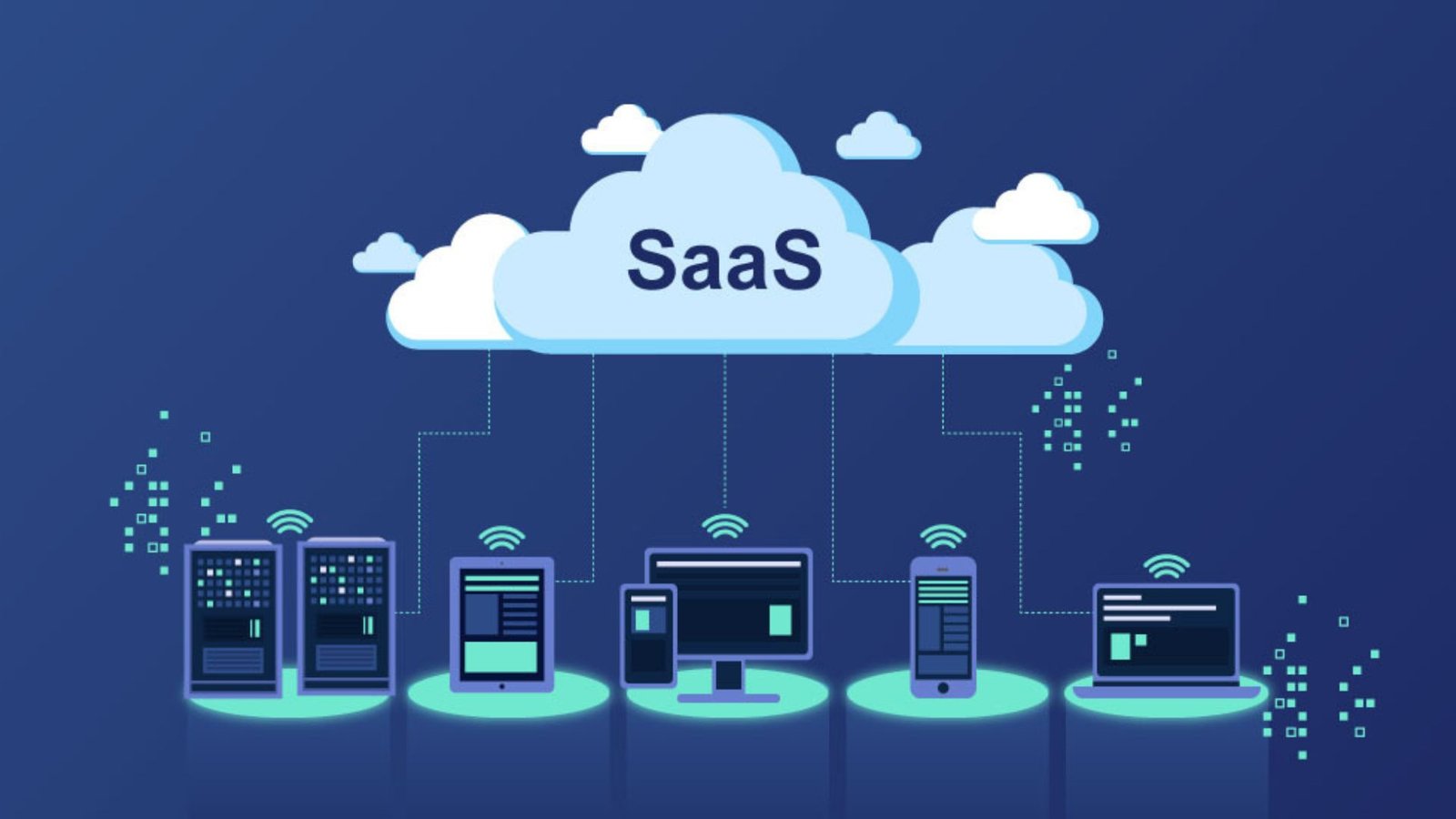
In today’s fast-moving tech world, Low-Code Platforms for AI Agent Development are changing how businesses build smart helpers & assistants. These platforms let teams create & launch AI agents using visual interfaces & minimal coding. The result is rapid delivery, cost savings & broad access even for non-technical users, making AI agent development easier & more powerful than ever.
Why Low-Code Platforms Are Game-Changers for AI Agents
Low-Code Platforms simplify AI agent creation by offering pre-built components, visual workflows & drag-and-drop tools. Teams no longer need heavy coding skills to develop conversational assistants, virtual agents, or automated workflows at scale. These platforms respond faster to business needs & reduce dependence on specialised developers & can be used right out of the box.
The AI agent platform market is growing fast with over 40 % annual expansion thanks to demand for automation & smart workflows. The adoption of low-code tools is also booming, as more than 70 % of new apps will use low-code or no-code technologies by 2025.
Core Features of Low-Code AI Agent Platforms
- Visual Interface & Workflow Builders: The platforms use visual workflows where agent triggers & logic are connected visually like building blocks. This makes it easy to design agent behaviour without writing lines of code.
- Integration-Ready Architecture: The platforms connect easily with API, databases & tools like RES, T SQL, CRM systems & messaging apps. This means AI agents work with your existing systems from day one.
- AI Model Support: The modern platforms support large language models like GPT-4 Claude & others. They let agents handle natural language reasoning & memory without a complex setup.
- Prebuilt Agent Templates: The platforms offer ready templates like customer support assistants, scheduling agents or data helpers. These can be customised & deployed in hours.
- Governance & Deployment Tools: The enterprise platforms include access controls, deployment pipelines, compliance features & scalable infrastructure. These tools help agents meet security & performance standards.
Popular Low-Code AI Agent Platforms in 2025
| Platform | What It Offers | Best For |
|---|---|---|
| Google Vertex AI Agent Builder | The tool builds conversational agents visually using enterprise data without aiming for code | Businesses using Google Cloud |
| Microsoft Copilot Studio | Call centres & customer support firms | Enterprises invested in Microsoft |
| StackAI (Startup) | The tool is a no-code builder for AI agents that connect to Snowflake & Salesforce & automate tasks | Sectors with low coding capacity |
| Synthflow AI | The tool builds voice-based agents for real-time customer interaction in minutes | Call centers & customer support firms |
| OutSystems AI-powered | The tool is an enterprise low-code platform with AI assistance for full-stack agent delivery | Large teams needing end-to-end control |
| ToolJet & Appian | The tools are low-code with generative AI prebuilt logic modules & integration | Teams seeking agile AI app creation |
| Open-source tools (Langflow Flowise) | The tools are visual workflow tools for building custom agent pipelines | Developers needing flexibility |
Benefits You Can Expect
- Fast Agent Development: The visual tools let teams go from idea to deployed agent in hours or days, not months. This speeds time-to-value.
- Lower Costs & Broader Access: The low-code solutions remove the need for heavy coding skills. These let business users & citizen developers build AI helpers quickly.
- Scalability with Governance: The enterprise platforms include compliance data controls & deployment workflows. These help businesses scale AI without risk.
- Ready Templates & Flexibility: The templates, like customer support or voice agent, mean less friction & more customization. These provide useful starting points for teams.
Trends Powering Low-Code AI Agent Platforms in 2025
- The Multi-Agent Ecosystems are becoming popular. These agents can work together to handle complex workflows across functions.
- The Enterprise Adoption Surge is happening. The companies need speed & automation & low-code agent tools are now integral to internal systems.
- The Funding Booms are clear. The startups like StackAI & Synthflow AI have raised funding to serve industries like local government insurance & voice support.
- The democratisation of AI is strong. The low-code tools let teams of any background build agents. These tools enable wider innovation & faster rollout.
When to Use Low-Code AI Agent Platforms
- The use of these platforms is best when you want fast agent deployment without heavy dev work.
- The use is helpful when your team lacks deep coding skills but needs smart automation.
- The use fits when your business needs agents that integrate with CRM voice systems or databases.
- The use matters when scalability & security are required with enterprise governance tools.
- The use is perfect when you need voice-based or conversational agents on tight timelines.
Things to Watch For
- The teams should not build over-complicated agents. Start simple with clear goals.
- The tools must integrate deeply with your systems, not just at the surface level.
- The feedback loops should stay active. The agents improve when adjusted often.
- The templates should be used wisely. The customization must fit your business, not just blindly adopt.
Conclusion
The Low-Code Platforms for AI Agent Development bring AI agent creation within reach for more businesses than ever before. These platforms deliver speed, lower cost, scalability & the power of modern AI through visual tools & templates. The platforms from Google, Microsoft & OutSystems, along with startups like StackAI & Synthflow, are making agent deployment faster, easier & more impactful.
The businesses can now automate customer chats, build voice assistants & design multi-agent workflows using low-code tools. The future of smart automation is visual agile & accessible.